
Alopecia & Scar Camouflage Scalp Micropigmentation (SMP)
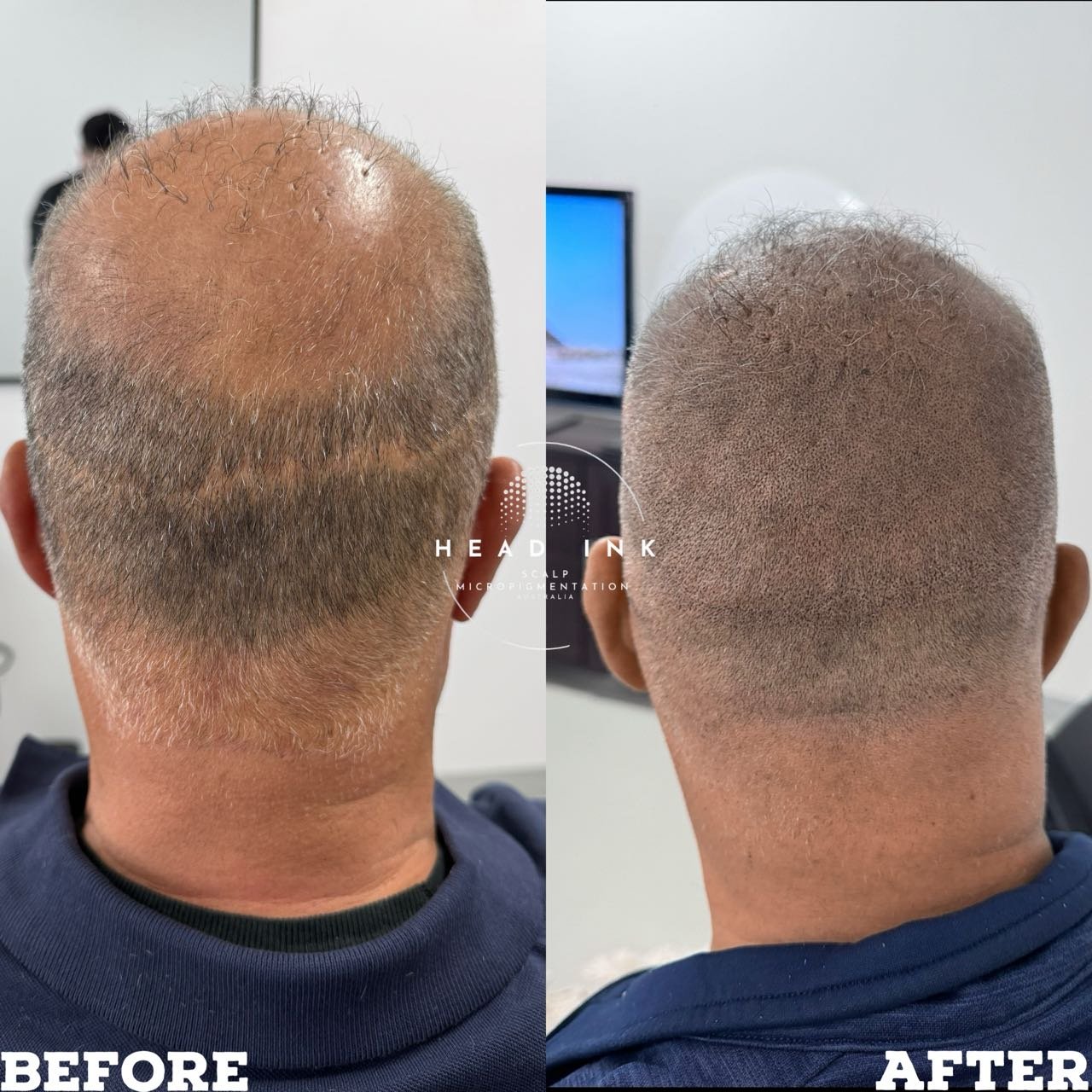

Struggling with Alopecia or visible scalp scars?
Discover a life-changing solution with Scalp Micropigmentation (SMP) — the most advanced, non-surgical treatment for hair loss, thinning hair, and scalp imperfections. At Head Ink SMP, we help men and women regain confidence and restore the appearance of a full head of hair with expert SMP designed to camouflage alopecia and scars.
What Is Scalp Micropigmentation for Alopecia & Scarring?
Scalp Micropigmentation is a cutting-edge technique that uses micro-needles and specialised pigments to replicate the natural look of hair follicles. This safe, non-invasive solution is ideal for:
Alopecia Areata, Totalis, and Universalis
Scalp scars from FUT or FUE hair transplants
Burn scars, surgical scars, and injury-related scalp damage
Patchy or total hair loss due to medical conditions
By carefully implanting pigment into the scalp, we create a realistic illusion of density, blend in visible scars, and restore your natural hairline or shaved-head look with precision.
Why Clients Choose Us for Alopecia & Scar Camouflage SMP
✔️ Highly experienced and certified SMP specialist
✔️ Customised treatment plans for every skin type and hair pattern
✔️ Natural-looking, long-lasting results with no downtime
✔️ Safe, non-surgical, and effective for both men and women
✔️ Trusted by clients across Melbourne Victoria for professional, discreet service
Benefits of Scalp Micropigmentation for Alopecia & Scarring
Boost self-esteem and confidence
Conceal patches or total baldness caused by alopecia
Hide scars from hair transplants, surgeries, or injuries
Enjoy a clean, natural, low-maintenance look
Immediate results with minimal aftercare
Book a Free Consultation Today
If you're searching for a proven solution for alopecia or scalp scarring, Scalp Micropigmentation could be the transformation you’ve been waiting for. Don’t wait—take control of your hair loss journey today.
What is the process?
1. Complimentary Consultation & Scalp Assessment
Your journey begins with a free consultation, either in-clinic or online. During this session, we:
Assess your hair loss pattern or scarring
Discuss your goals, desired outcome, and expectations
Review your medical history and skin type
Develop a personalised treatment plan tailored to your needs
2. First SMP Session – Foundation Layer
In your first session, we focus on laying the groundwork:
We match pigment to your natural hair colour and skin tone
Using precise SMP equipment, we deposit microdots into the scalp to replicate hair follicles
This base layer gives the appearance of subtle hair density and begins blending scarred or alopecia-affected areas
3. Second Session – Density & Definition
Scheduled approximately 7–14 days later, your second session adds depth and realism:
We layer additional pigment to build density and dimension
Refine the hairline, if required, and enhance blending
Focus on ensuring scars are well-camouflaged and alopecia patches are no longer visible
This step is where the look truly starts to take shape.
4. Final Session – Touch-Up & Detailing
If needed, a final session will:
Address any remaining light areas or inconsistencies
Fine-tune colour tone and follicle detail for the most natural result
Ensure your treatment is even, realistic and ready to last
5. Aftercare & Recovery
SMP is non-invasive and low-maintenance, with little to no downtime. After your sessions, we provide detailed aftercare instructions, which include:
Avoiding sun exposure, heavy sweating, and washing your scalp for the first few days
Refraining from scratching or picking the area
Using a gentle moisturiser after the initial healing period
Most clients return to normal activities within 24 hours.

Frequently asked questions
-
Clients usually require 3-4 sessions. The whole process will take 3-4 weeks, each session 1-2 weeks apart to allow the skin to heal. Depending on the individual and extent of hair loss you should expect the session to last 2-4 hours.
-
Cost for SMP varies from case by case , depending on the severity of hair loss and the amount of work needed. Typically, clients can expect treatment costs ranging between $1000-$3500.
If you'd like a personalised quote for your hair loss, you can send us photos from various angles (top, front, back, and both side profiles) to headinksmp@outlook.com or 0412049487 . If you prefer not to send photos, we offer free in-person consultations as well. You can reach us by phone (0412049487) or by filling out the inquiry form above.
-
Typically, most people will need a touchup session every 3 to 5 years to maintain the colour. Scalp Micropigmentation is a semi-permanent procedure that can last over 10 years with proper care. However, as your skin naturally sheds its layers and absorbs the pigment, the treatment will gradually fade and may need touchups. Individual factors, such as sun exposure and skin type (dry or oily), can influence how quickly this occurs.
Head Ink SMP offers a 3 month treatment guarantee to cover any fading or changes to hairline.
-
Consultation: The initial step is to arrange a consultation with a Scalp Micropigmentation (SMP) specialist. During this meeting, the specialist will evaluate your hair loss and discuss your goals and expectations for the treatment.
Design: If you decide to proceed with SMP, the specialist will develop a personalised design based on the shape of your head, hairline, and your desired hair density and colour.
Treatment: SMP typically requires 3-4 sessions over 3-4 weeks. In each session, the specialist uses micro-needles to apply pigment to your scalp, gradually creating the look of hair follicles. The procedure is generally painless with no downtime, so you can continue your daily activities right after each session.
Aftercare: Following each session, you'll need to adhere to specific aftercare instructions for optimal healing and results. For example, for the first 3 days, avoid getting your scalp wet, sweating excessively, sun exposure, and using hair products.
Maintenance: While SMP is a durable solution for hair loss, occasional touch-ups may be necessary to maintain its appearance over time. The frequency of touch-ups will depend on factors such as your skin type, lifestyle, and desired hair density.
Overall, Scalp Micropigmentation (SMP) is a safe and effective method for addressing hair loss, offering natural-looking results with minimal upkeep. If you’re dealing with hair loss, SMP might be the solution you need to restore your confidence and achieve a look you’re happy with.
-
Most clients rate the pain from 2 to 5 out of 10, often describing it as more of an irritating itch than actual pain. The front temples, hairline, and sides of the head are usually the most uncomfortable areas due to the concentration of nerve endings there. For those with very low pain tolerance, numbing cream is available.
-
Most clients resume work the day after their treatment session. Scalp Micropigmentation is a non-invasive, non-surgical procedure with no associated downtime. You will only need to follow the 4-day aftercare instructions provided before each treatment.
-
It’s essential to follow our 4-day post-treatment instructions to avoid excessive fading and contamination. Specifically, this means avoid from touching, washing, cutting your hair, or engaging in workouts during the first 4 days.
-
Scalp Micropigmentation (SMP) and hair transplants address hair loss in different ways. SMP is a non-surgical, minimally invasive procedure that uses tiny pigment dots to replicate the appearance of shaved hair, giving the illusion of fuller hair and natural growth. It delivers immediate results with minimal downtime.
On the other hand, hair transplants involve surgically relocating hair follicles from one area of the scalp to another to encourage natural hair growth. This method is more invasive, with longer recovery periods and potential complications.
While SMP provides a realistic look of thicker hair, it does not stimulate actual hair growth. Hair transplants can restore real hair growth but may not be suitable for everyone due to factors like cost, recovery time, and variable outcomes. The decision between SMP and hair transplants depends on individual needs and preferences.